Seed Oils, Omega-6, and Processing: What's True and What Matters
Feb 13, 2026Seed Oils, Omega-6, and Processing: What’s True and What Matters
Why this matters
Online stories about seed oils often mix real history, half-truths, and oversimplified science. Some claim seed oils are "toxic industrial waste" or that a single company bought the dietary guidelines. Those claims grab attention, but they mask the real questions patients and clinicians should care about: what are seed oils, how does omega-6 behave in the body, how does processing change oils, and what does the evidence actually show?
Key takeaways
-
Omega-6 (linoleic acid) is essential. The body cannot make it and severe deficiency causes clinical problems.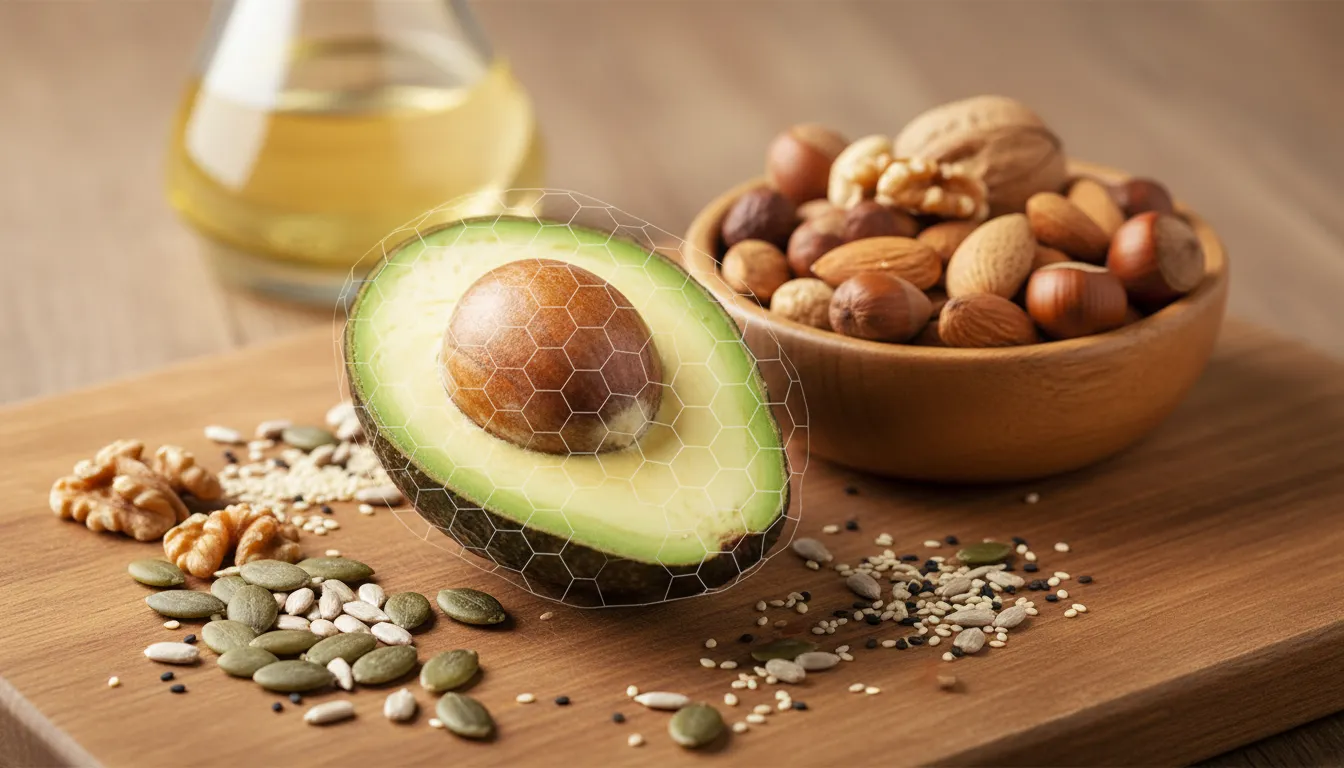
- Whole-food omega-6 is different from industrially refined omega-6. Nuts, seeds, and avocados deliver omega-6 in a protected matrix that resists damage.
- Processing and high heat increase harmful oxidation products. Refining removes protective antioxidants and deodorization at high temperatures creates secondary oxidation products and oxidized linoleic acid metabolites (OXLAMs).
- Modern diets are often low in omega-3, which worsens the inflammatory potential of omega-6 when balance is poor.
- The goal is not fear but better fat quality: fewer ultra-processed foods, more whole-food fats, and improved omega-3 intake.
Part 1 — A quick history: Crisco, cottonseed, and influence
Cottonseed and early processing
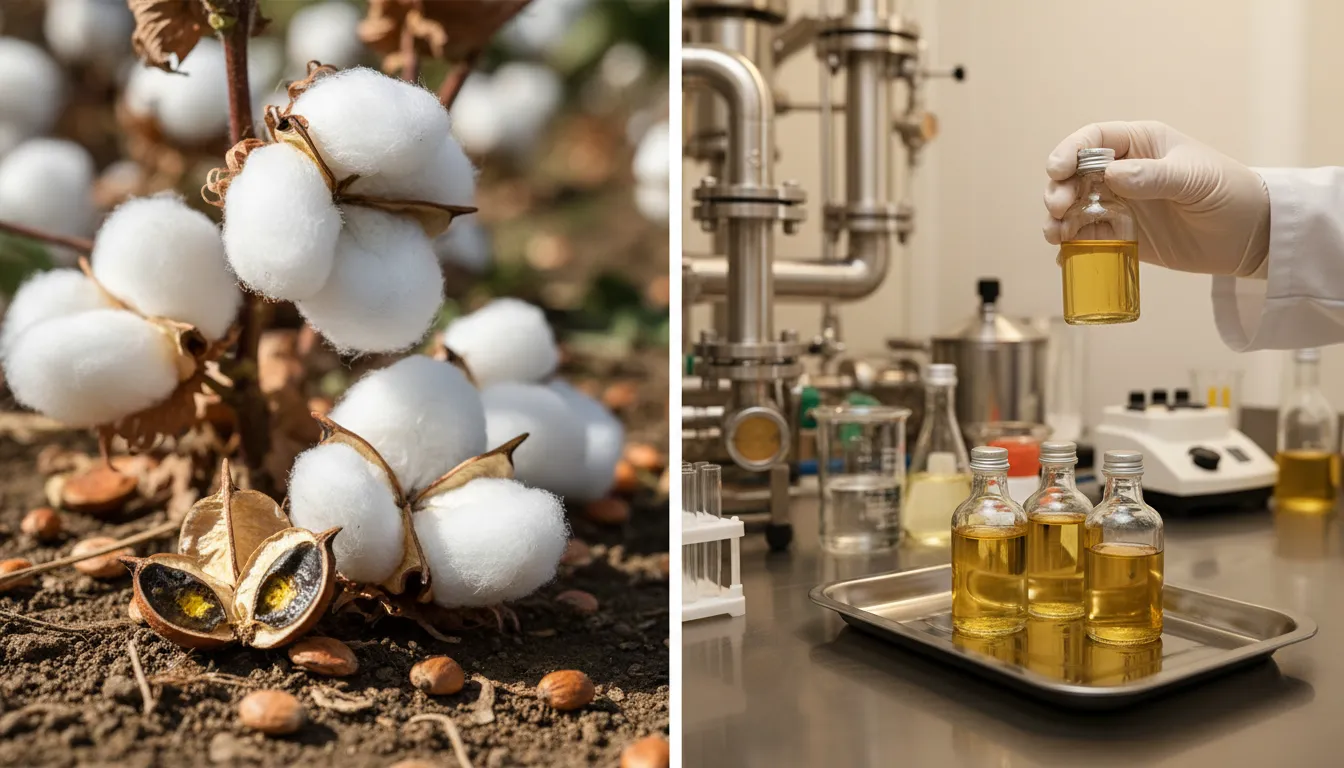
Cottonseed was originally a byproduct. It contains gossypol, a plant compound that can be toxic without proper processing. That meant crude cottonseed products required substantial refining before they were safe for human use.
Procter & Gamble and Crisco
In 1911 Procter & Gamble introduced Crisco, a hydrogenated cottonseed shortening. The product was marketed as modern, pure, and practical. Cookbooks and household education were used as powerful marketing tools to change how people thought about fat in cooking, positioning Crisco as a neutral alternative to butter and lard.
Kosher marketing
Crisco’s parve status made it attractive in Jewish households because it could be used with both meat and dairy meals. That cultural and religious marketing helped accelerate adoption.
Money, media, and influence
In 1948 the American Heart Association received a large donation—over $1.5 million at the time—through a radio fundraiser amplified by a Procter & Gamble–sponsored show. The funds came from listener donations collected via a corporate-sponsored platform, creating a structural conflict-of-interest risk. This doesn’t prove the guidelines were “bought,” but it does justify healthy skepticism about how commercial influence and limited disclosure norms shaped early dietary recommendations.
1961 and early dietary advice
Early AHA guidance emphasized reducing saturated fat and increasing polyunsaturated fats. Much of the research available then was poor quality and insufficient to draw robust conclusions. In hindsight, some recommendations were premature and oversimplified.
Part 2 — Omega‑6: the essential fat
What linoleic acid is and why it’s essential
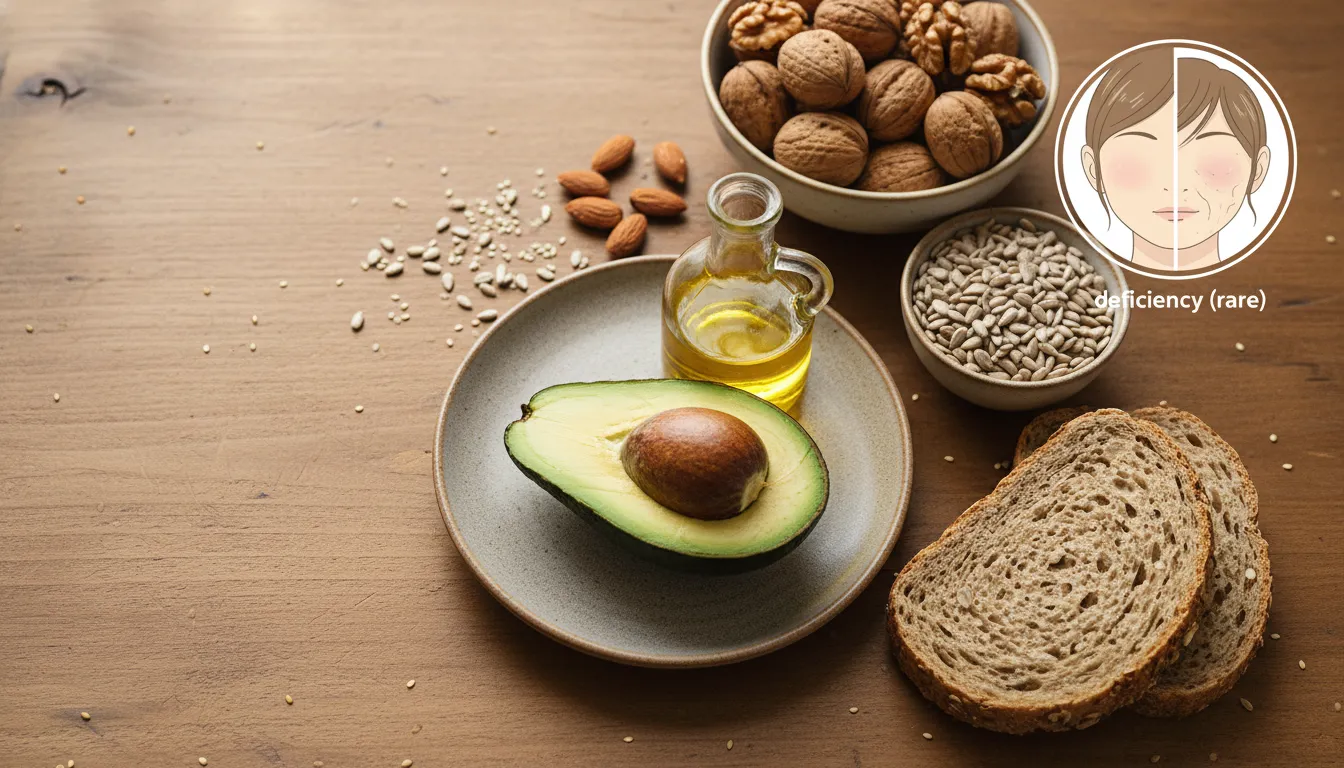
Linoleic acid (LA), the primary dietary omega‑6, is essential—humans cannot synthesize it. True deficiency is rare but causes scaly dermatitis, hair changes, and other issues seen in severe malabsorption or extremely low‑fat diets. Most people get enough LA from common foods.
Is omega‑6 inherently pro‑inflammatory?
The short answer: no. Controlled human evidence, including systematic reviews and meta-analyses of randomized trials, generally shows that increasing dietary linoleic acid does not raise standard blood inflammatory markers such as CRP, IL‑6, or TNF‑alpha in most settings. LA participates in normal physiology—membrane structure, cell signaling, and brain function—so it is not automatically harmful.
Part 3 — Processing changes everything
What refining does
Commercial refining typically includes degumming, neutralization, bleaching, and deodorization. These steps remove odors, pigments, and impurities, but they also strip away protective micronutrients—chiefly vitamin E and other antioxidants that guard polyunsaturated fats from damage.
High heat and oxidation
Deodorization often uses high temperatures (commonly 200–260 °C under low pressure). Under these conditions polyunsaturated fatty acids break down: hydroperoxides decompose into secondary oxidation products that can damage cells. The three-dimensional shape of LA changes when heated, producing molecules with biological activity that differ from native LA.
Industry versus academic measurements
Disagreements between food industry studies and university labs stem partly from what is measured. Industry testing often focuses on a limited set of chemical markers. Independent academic labs cast a wider net and detect many additional oxidation products and metabolites that are biologically active and potentially damaging to membrane integrity, brain tissue, and the cardiovascular system.
Oxidized linoleic acid metabolites (OXLAMs)
When linoleic acid is oxidized it forms OXLAMs, which have demonstrated biological activity that can promote inflammation and cellular damage in mechanistic studies. This explains how omega‑6 can be essential in its native form yet harmful when oxidized: the molecule’s context and chemical state matter.
Part 4 — Balance matters: omega‑6 versus omega‑3
The imbalance problem
Dietary patterns over the past century have dramatically reduced intake of essential plant omega‑3 (alpha‑linolenic acid, ALA). When ALA is low, even ordinary amounts of omega‑6 can shift pathways toward inflammatory metabolites. In contrast, when both essential fats come from whole foods and are balanced, omega‑6 is not inflammatory.
Where to get safe omega‑6 and how to improve omega‑3
- Prefer whole‑food sources of omega‑6: nuts, seeds, and avocado deliver linoleic acid in a protected matrix with antioxidants.
- Increase essential omega‑3 (ALA): chia seed, flaxseed, walnuts, and other ALA‑rich foods help restore balance. ALA is the essential plant omega‑3 that most diets lack; fish oil supplies EPA and DHA, which are different long-chain omega‑3s.
- If using oils: choose minimally processed, avoid repeatedly heated restaurant oils, and limit ultra‑processed foods that use industrial seed oils.
Common questions
Are seed oils toxic?
No. Seed oils are not intrinsically toxic. Native linoleic acid is essential and safe when consumed from whole foods and when dietary omega‑3 intake is adequate. The main concern is industrial processing, high heat, repeated frying, and the formation of oxidized products that can be harmful.
Was the American Heart Association "bought" by Procter & Gamble?
The AHA did receive a major windfall tied to a Procter & Gamble–sponsored broadcast in 1948. That sponsorship amplified fundraising and created a conflict-of-interest risk given the era’s weak disclosure. It does not prove guidelines were purchased, but it does mean historical skepticism about commercial influence is reasonable.
If omega‑6 isn’t inherently inflammatory, why do clinicians worry?
Because most people don’t consume omega‑6 primarily from wholesome sources. Instead they get it from highly refined oils, ultra‑processed foods, and oils that have been repeatedly heated. Those conditions generate oxidation products and occur against a background of low omega‑3 intake and metabolic stress, which together raise risk.
Practical recommendations
- Eat whole‑food sources of fats: nuts, seeds, avocados, olives.
- Increase plant omega‑3s (ALA) with chia, flax, and walnuts to improve the omega‑6:omega‑3 balance.
- Limit ultra‑processed foods and avoid repeatedly reheated cooking oils.
- When buying oils, prefer minimally refined or cold‑pressed varieties and store them protected from heat, light, and air.
- Focus on overall fat quality, not fear—small, sustainable changes matter most.
Bottom line
Linoleic acid is essential and not automatically harmful. The real risks come from chemical changes caused by industrial refining and high‑temperature use, and from modern dietary imbalances that leave people low in essential omega‑3. The practical goal is better fat quality: prioritize whole foods, reduce ultra‑processed items, protect fats from excessive heat, and restore omega‑3 intake.
Click Here to Access Your First Trial of StemWave Pain management
Stay connected with news and updates!
Join our mailing list to receive the latest news and updates from our team.
Don't worry, your information will not be shared.
We hate SPAM. We will never sell your information, for any reason.
