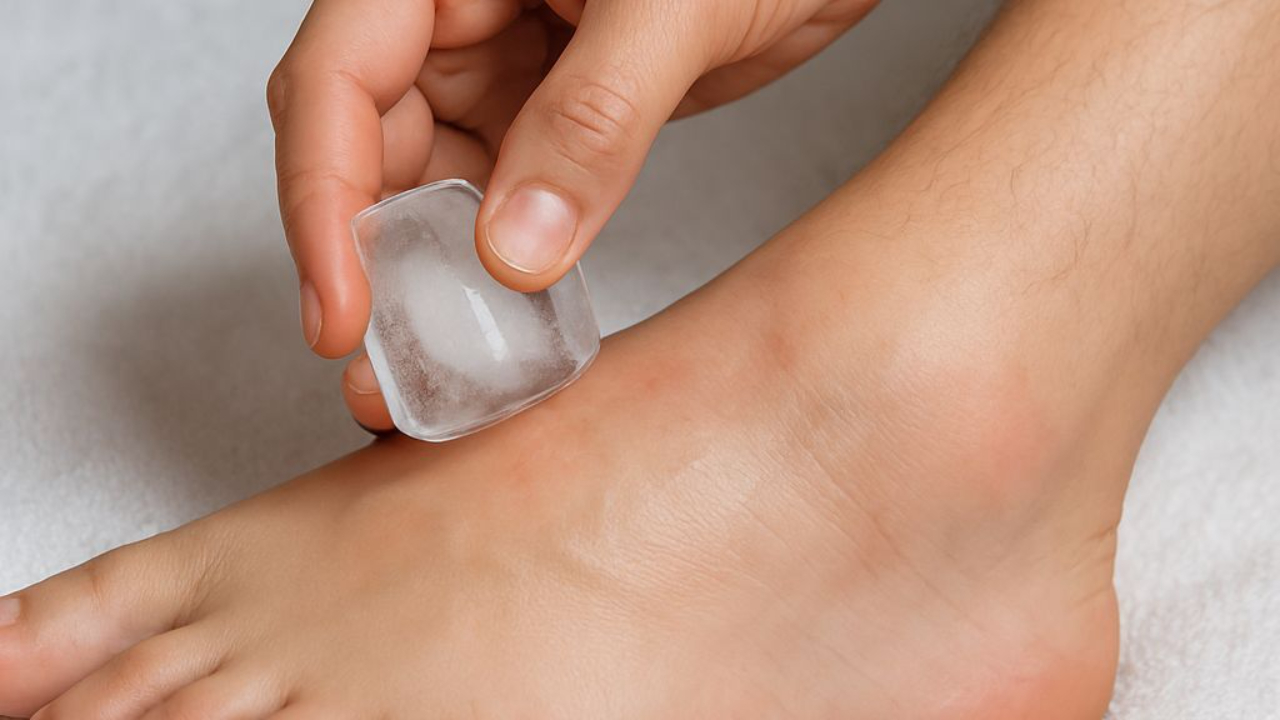
How to Use Ice Massage for Pain Relief
Mar 31, 2026-
Ice massage combines cold therapy with gentle pressure to reduce swelling, numb pain, and block inflammation-causing chemicals faster than a standard ice pack.
-
The 10-minute rule matters — ice massage sessions should last no longer than 10 minutes, compared to 30 minutes for a standard cold pack.
-
It works for more than just sports injuries — runner's knee, tendinitis, arthritis flare-ups, low back pain, and even headaches respond well to targeted ice massage.
-
You can make an effective ice massage tool at home in minutes using items you already have in your home.
-
Knowing when to switch from ice to heat is just as important as knowing how to apply cold — get this wrong and you could slow your recovery.

Ice massage is one of the most underused pain relief tools available — and it costs almost nothing to do correctly.
Most people reach for a bag of frozen peas and call it cold therapy. But there is a meaningful difference between pressing a cold pack against sore tissue and actively massaging that tissue with ice. The combination of cold and movement changes how your body responds to pain and inflammation in ways a stationary ice pack simply cannot replicate. Natural remedy specialists have long recognized targeted cold application as a foundational tool for managing both acute and chronic pain at home.
Ice Massage Works — Here’s What You Need to Know First
Cold therapy has been a trusted remedy for pain and injury for centuries, but ice massage takes it a step further by pairing temperature with targeted pressure. When you apply a moving piece of ice directly to an injured or painful area, you are doing more than just cooling the skin.
How Cold Reduces Pain and Swelling
When cold contacts your skin, it triggers a chain reaction that works in your favor. It lowers skin temperature, reduces nerve activity, and slows down the cellular processes that drive inflammation. More specifically, cold constricts blood vessels and blocks the release of histamines — the chemicals your body releases in response to tissue damage that cause swelling and redness. The result is less swelling, less nerve signaling, and a meaningful reduction in pain.
Cold also decreases muscle spasms, which is why it is particularly useful after a sudden injury or during a flare-up of a chronic condition. The numbing effect that builds over the first few minutes of application raises your pain threshold and gives the surrounding tissue a chance to calm down. For more information on pain relief, you might find this article on the best natural pain treatment helpful.
Ice Massage vs. Ice Packs: What’s the Difference?
The key distinction comes down to contact, pressure, and time. A standard ice pack sits stationary on the skin and is typically applied for up to 20 minutes. Ice massage involves actively moving the ice in circular or back-and-forth motions over the affected area, which means the session only needs to last about 10 minutes to achieve the same or better results. The movement enhances circulation to the surface tissue while the cold is still doing its numbing work, making it a natural pain treatment.
|
Method |
Application Time |
Movement |
Best For |
|---|---|---|---|
|
Ice Pack |
Up to 30 minutes |
Stationary |
Broad area coverage |
|
Ice Massage |
10 minutes max |
Active, circular motion |
Targeted, localized pain |
What Ice Massage Can Treat
Ice massage is not a one-size-fits-all solution, but it covers a surprisingly wide range of pain conditions when applied correctly.
Acute Injuries: Sprains, Strains, and Swelling
For fresh injuries, cold is your first line of defense. Ice massage is especially effective in the hours immediately following a sprain, strain, or impact injury. It is the “I” in the well-known R.I.C.E. protocol — Rest, Ice, Compression, and Elevation — which is the standard home care recommendation for most sports injuries. Applying ice massage within the first 48 hours of an injury helps control swelling before it peaks and reduces the intensity of the pain response.
Chronic Pain Conditions That Respond to Cold
Beyond acute injuries, cold therapy has proven useful for a range of ongoing pain conditions. Runner’s knee, tendinitis, and certain types of low back pain all respond well to regular ice massage. It is also used to manage pain and swelling after hip or knee replacement surgery, to relieve discomfort under a cast or splint, and to reduce joint inflammation in some forms of arthritis.
Conditions commonly treated with ice massage:
Runner’s knee
Tendinitis
Ankle and wrist sprains
Arthritis pain and joint inflammation
Low back pain
Foot pain
Headaches
Post-surgical swelling (hip or knee replacement)
Pain or swelling under a cast or splint
When Ice Massage Is Not the Right Choice
Ice massage is not appropriate in every situation. Avoid it over areas with broken skin, open wounds, or active infections. People with conditions that affect circulation or nerve sensation — such as peripheral neuropathy or Raynaud’s phenomenon — should not use ice massage without medical guidance, as they may not be able to accurately sense tissue damage from the cold. If you have cardiovascular conditions or are recovering from a surgery beyond the basic post-op phase, check with your doctor before applying any cold therapy.
Also worth noting: cold is most effective during the acute inflammatory stage of an injury. Once that phase has passed — typically within two days — heat often becomes the more appropriate choice for ongoing recovery. However if there is inflammation that one can feel from an injury, then ice will be helpful even many days after the injury.
How to Make an Ice Massage Tool at Home
The simplest method is to fill a small paper or foam cup with water and freeze it. Once frozen, peel back the top edge of the cup to expose about an inch of ice. This gives you a comfortable handle while keeping the ice directly accessible for massage. As the ice melts during the session, peel the cup down gradually to keep a clean surface in contact with the skin. You can also use a standard ice cube held with a thin cloth if a cup is not available, but the cup method gives you better control and grip throughout the 10-minute session.
Step-by-Step: How to Perform an Ice Massage
Done properly, ice massage is straightforward — but the details matter. Follow these steps to get the most out of the technique while protecting your skin. For those interested in exploring natural pain treatment options, ice massage can be an effective method.
1. Prepare the Area You Are Treating
Before you bring the ice anywhere near your skin, take a moment to position yourself comfortably. Sit or lie down so the area you are treating is fully supported and relaxed. Tense muscle tissue does not respond as well to cold therapy, so getting comfortable first actually improves the outcome. Have a thin towel nearby in case you need to take a short break or protect sensitive skin.
2. Begin the Massage With Light Pressure
Start with gentle, circular motions over the painful area. You do not need to press hard — the cold itself is doing most of the work. Light, consistent pressure is enough to keep the ice moving across the skin surface while allowing the temperature drop to penetrate into the underlying tissue. Think of it less like a deep tissue massage and more like slow, deliberate tracing. For more on natural pain relief methods, check out this guide to natural pain treatment.
Ice Massage Motion Guide:
Circular motion — Best for targeting a discreet area of injury and inflammation
Back-and-forth strokes — Best for muscles along the back, thighs, or calves
Overlapping passes — Best for broad areas like the lower back or shoulder
Keep the ice moving at all times. Letting it rest in one spot increases the risk of an ice burn, which can damage the skin just like a heat burn would. Consistent motion is what separates an effective ice massage from an unsafe one.
The first two minutes will feel intensely cold. Painfully cold and this is likely to be true to some extent for 5 minutes. That is completely normal. Your skin will move through four distinct sensations as the session progresses: cold, burning, aching, and finally numbness. Each stage is a sign that the therapy is working. Most people reach the numbing stage somewhere between five and seven minutes in. For more information, you can refer to ice massage instructions from Gardner Orthopedics.
Work within a focused area rather than trying to cover too much ground. For something like a sore Achilles tendon or a strained wrist, keep your movements within a three to four inch radius of the most painful point. Spreading out too much dilutes the effect.
3. Keep Moving — Never Hold Ice in One Spot
This is the most important technical rule of ice massage. A stationary piece of ice will drop the skin temperature too quickly in one location and can cause frostbite or ice burn within just a few minutes. Keep the ice in constant motion for the entire 10-minute session. The first five minutes will feel uncomfortable — the cold intensifies before the numbing effect kicks in, and that burning, aching sensation can feel counterintuitive when you are trying to relieve pain. Push through it. Once the tissue reaches that numb stage around the five-minute mark, the therapeutic benefit is fully engaged.
Set a timer when you start. It is easy to lose track of time, and 10 minutes is the recommended maximum for a single ice massage session. Going beyond that does not improve results and increases the risk of skin or tissue damage.
4. Watch Your Skin for Warning Signs
Check your skin regularly throughout the session. Some redness is expected as blood vessels respond to the cold, but there are specific signs that mean you need to stop immediately.
|
Skin Sign |
What It Means |
Action |
|---|---|---|
|
Mild redness |
Normal cold response |
Continue with caution |
|
Deep red or purple color |
Excessive cold exposure |
Stop immediately |
|
White or grayish patches |
Early frostbite |
Stop and rewarm gently |
|
Blistering |
Tissue damage |
Stop and seek medical attention |
People with reduced skin sensitivity — including those with diabetes, circulation issues, or nerve damage — should be especially vigilant or avoid ice massage altogether. If you cannot reliably feel what your skin is telling you, the visual check becomes your only safeguard.
After the session, the treated area will likely remain red and feel warm for several minutes as circulation returns. This is a normal rebound response and not a cause for concern. If the redness or any discomfort persists for more than 30 minutes after the session ends, reduce the duration of your next session or consult a healthcare provider.
5. Know When to Stop — 10 Minutes Maximum
Ten minutes is the ceiling for a single ice massage session — not a target to push past. Once numbness sets in, the analgesic effect has been achieved. But you should still continue for the full 10 minutes because there is an antiinflammatory benefit from the additional cold. If you reach numbness before the 10-minute mark, which some people do, do not stop. But after 10 minutes, stop. More is not better with cold therapy.
How Often Should You Use Ice Massage
Frequency depends on whether you are dealing with a fresh injury or a recurring pain condition. In both cases, spacing out sessions appropriately is key to getting results without overdoing it.
Timing for Acute Injuries
For new injuries, apply ice massage frequently during the first 48 hours. It is a good idea to wait long enough for skin to return to normal temperature before doing another session. This is the acute inflammatory window where cold therapy has the greatest impact on controlling swelling and pain. After the first two days, reassess the injury. If swelling has reduced and the area is no longer hot to the touch, it is usually time to transition from cold to heat for the remainder of the recovery process. For more natural methods of managing pain, you might explore best natural pain treatments.
Proactive Use for Chronic Pain Flare-Ups
For ongoing conditions like tendinitis, arthritis, or recurring low back pain, ice massage can be applied as needed when symptoms flare. Many people find it most useful immediately after activity that aggravates their condition — for example, using ice massage on the knee after a run if runner’s knee is a persistent issue. Three to four sessions on active days is a reasonable guideline, with time between each session to allow the tissue to return to a normal temperature.
Combine Ice Massage With These Pain Relief Methods
Ice massage

works best as part of a broader approach to pain relief. Pairing it with other natural, low-cost methods amplifies the results and supports faster recovery.
Rest and Compression
Rest is not optional during the acute phase of an injury. Continuing to load a sprained ankle or an inflamed tendon while applying ice will undermine the therapy entirely. Take a genuine break from the activity that caused or worsens the pain.
Compression adds another layer of swelling control. After your ice massage session, wrapping the area with a compression bandage — not so tight that it restricts circulation, but firm enough to provide support — helps limit fluid accumulation in the tissue. Together, ice massage and compression target swelling from two directions at once: the cold slows the inflammatory response at the cellular level while the compression physically limits how much fluid can build up in the surrounding space. For those seeking natural pain treatment options, combining these methods can be particularly effective.
The combination of rest and compression also stabilizes the injured area, which reduces the risk of a secondary injury while the primary damage is healing. This is why R.I.C.E. remains one of the most consistently recommended home care protocols for sports injuries — each component reinforces the others.
Elevation
Elevating the injured area above the level of your heart is one of the simplest things you can do to accelerate swelling reduction. Gravity does the work for you — fluid drains away from the injury site rather than pooling around it. Prop a sprained ankle on two pillows while you rest, or keep an injured wrist raised on an armrest. Even a modest elevation makes a measurable difference in how quickly swelling subsides.
When to Switch From Ice to Heat
The transition from cold to heat is one of the most commonly misunderstood parts of injury recovery. Cold is appropriate during the first 48 hours when active inflammation is driving your pain and swelling. Once the acute phase passes — meaning the area is no longer hot, visibly swollen, or actively inflamed — heat becomes the more effective tool for continuing recovery. For those seeking natural pain treatment options during this phase, heat therapy can be an excellent choice.
Moist heat raises pain thresholds and reduces muscle spasms, making it especially useful for the stiffness and residual soreness that follows the initial inflammatory stage. For chronic pain conditions like osteoarthritis, heat may also be more appropriate on a daily basis, with cold reserved for flare-up management. If you are ever unsure which to use, a simple rule applies: if the area is swollen or warm to the touch, use cold. If it is stiff and aching without active inflammation, use heat.
Ice Massage Is One of the Simplest Pain Tools You Have
You do not need expensive equipment, a prescription, or a clinic visit to use ice massage effectively. A cup of frozen water, ten minutes, and the right technique are all it takes to reduce swelling, quiet nerve activity, and bring genuine relief to a wide range of painful conditions. The fact that it is free, fast, and backed by consistent clinical use makes it one of the most practical natural remedies available for both acute injuries and chronic pain management.
The key is using it correctly — respecting the 10-minute limit, keeping the ice moving at all times, watching your skin, and pairing it with rest, compression, and elevation when needed. Done right, ice massage gives your body the conditions it needs to start healing. Done carelessly, it can cause the very tissue damage you are trying to reverse. Learn the technique once, apply it consistently, and it will serve you well for years.
Frequently Asked Questions
Here are answers to the most common questions about using ice massage for pain relief at home.
How long should an ice massage last?
An ice massage session should last no longer than 10 minutes. This is shorter than a standard cold pack application, which can run up to 20 minutes, because the direct contact and active movement of ice massage achieves the numbing and anti-inflammatory effect more quickly. Once the tissue feels numb, the therapeutic goal has been reached — there is no benefit to continuing past that point.
Can you use ice massage on your lower back?
Yes. Ice massage is a recognized approach for managing low back pain, particularly in the acute phase following a strain or muscle spasm. Use a cup-frozen ice tool and apply it in slow, overlapping strokes across the affected area of the lower back for up to 10 minutes. Having someone assist you makes this easier, since reaching your own lower back while maintaining consistent motion and comfortable positioning can be awkward.
For recurring low back pain, ice massage can be applied after activities that tend to trigger discomfort. Just ensure there is no underlying condition — such as a kidney issue or a spinal problem requiring medical management — that would make cold application inappropriate for your specific situation. For more natural pain management techniques, you might find this resource on natural pain treatment helpful.
Is ice massage safe for arthritis pain?
Ice massage can be safe and effective for certain types of arthritis, particularly when a joint is actively inflamed, swollen, or warm to the touch. Cold reduces the swelling and nerve activity that drives arthritis pain during a flare-up. However, not all arthritis responds the same way to cold — some people with arthritis find cold therapy worsens their stiffness, in which case moist heat is the better option.
If you have rheumatoid arthritis or any autoimmune-related joint condition, speak with your doctor before incorporating regular ice massage into your routine. The general principle — cold for active inflammation, heat for stiffness — applies here as well, but individual responses vary enough that personalized guidance is worthwhile.
What should I do if my skin goes numb during ice massage?
Numbness during ice massage is expected and is actually the signal that the therapy has done its job. When the treated area feels numb, stop the session. You do not need to continue past this point. After stopping, allow the skin to return to normal temperature naturally — do not apply heat to rewarm it. Check the skin visually for any white, gray, or deep purple patches, which would indicate excessive cold exposure and require prompt attention. Mild redness that fades within 30 minutes is a normal post-session response.
Should I use ice or heat for chronic pain?
For chronic pain, the answer depends on what is happening in the tissue at the time you want to treat it. Ice is the right choice when a chronic condition is flaring — meaning the area is swollen, inflamed, or warm. Cold therapy calms the inflammatory response and reduces nerve signaling during those acute flare-up windows.
Heat is generally more useful for day-to-day chronic pain management when inflammation is not the primary driver. Moist heat relaxes tight muscles, increases blood flow to stiff tissue, and raises the pain threshold in a way that supports ongoing comfort and mobility. Many people with chronic conditions like tendinitis or osteoarthritis rotate between both depending on how the affected area feels on a given day.
When in doubt, use cold for the first 48 hours of any new pain episode, then reassess. If swelling has resolved and stiffness is the dominant symptom, transition to heat. And if you are managing pain at home over the long term, consider consulting a natural health practitioner who can help you develop a targeted cold and heat protocol based on your specific condition. Explore the range of natural pain relief resources available at natural remedy specialists to support your recovery journey.
Stanley Lang, M.D.
Mercy Family Health and Pain Management
Cryotherapy Cold Therapy for Pain Management
Apply the ice or gel pack for about 10 to 20 minutes several times a day. Check ...
Ice Massage Instructions
Gently massage the surface against the area to be treated. As the ice melts, pee...
Cold versus heat for pain relief: How to use them safely and effectively
Cold, in the form of cold packs or an ice massage (rubbing a painful area with a...
Click Here to Access Your First Trial of StemWave Pain management
Stay connected with news and updates!
Join our mailing list to receive the latest news and updates from our team.
Don't worry, your information will not be shared.
We hate SPAM. We will never sell your information, for any reason.
