Holistic Strategies to Treat Depression: Walk, Diet, and the Gut
Mar 03, 2026Holistic Strategies to Treat Depression: Walk, Diet, and the Gut
Why family doctors should lead with a holistic approach
Depression is extremely common, and family doctors are on the front lines. There simply are not enough mental health specialists to treat everyone, so family doctors must step in. When depression is approached as a whole‑person problem — physical, mental, and spiritual — outcomes improve dramatically.
Traditional medical treatments, taken alone, often show only marginal benefits over placebo for mild to moderate depression. By contrast, natural and lifestyle strategies used together can achieve much higher success rates — often exceeding 80% for mild to moderate cases when implemented fully.
One persistent myth is that depression is solely a chemical deficiency caused by low neurotransmitters. Research does not support that simple explanation. More useful is to look at nutrition, activity, stress, sleep, social connection, and the gut microbiome — all of which shape brain function and mood.
The single most important prescription: a purposeful 30‑minute walk
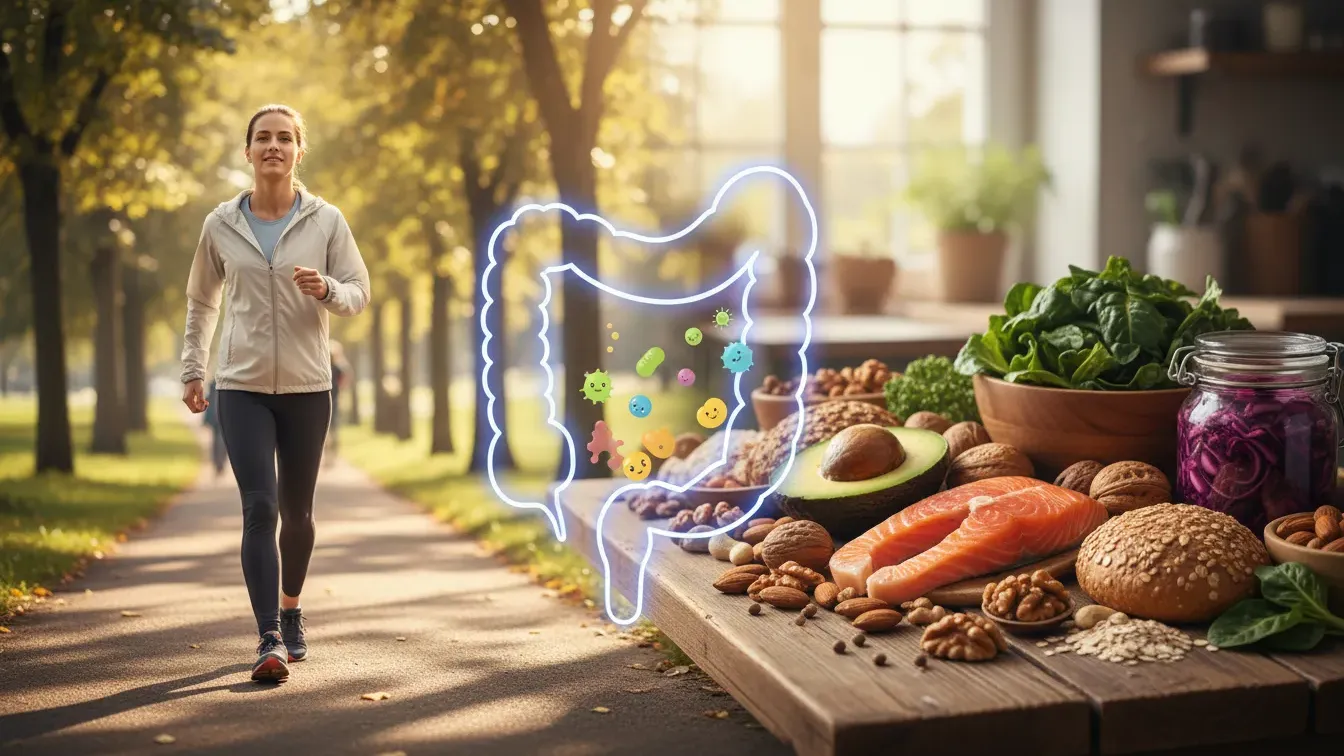
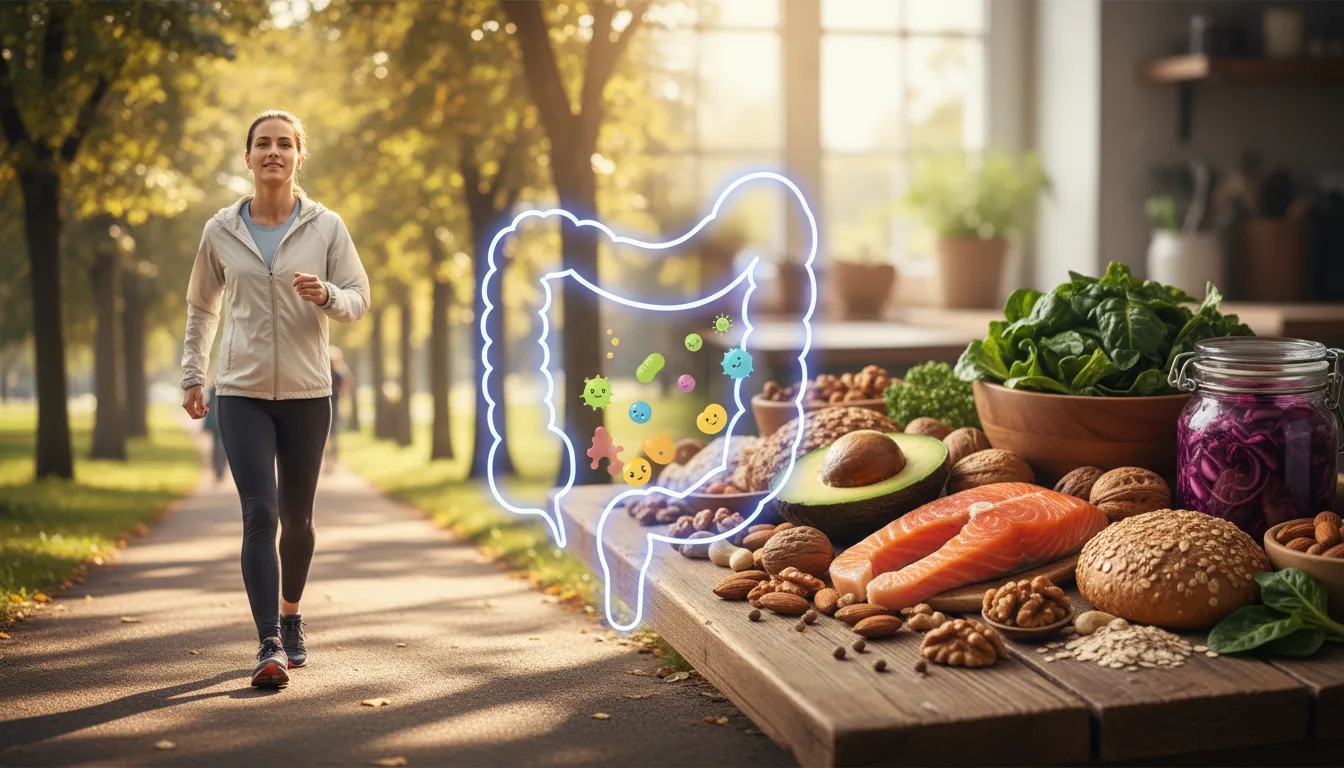
The central practical step many clinicians use is a 30‑minute walk with a gradual increase in pace. Start slow, and over the session increase to a brisk walk that makes you feel slightly breathless — just enough to notice heavier breathing.
Why this helps:
-
Exercise changes brain chemistry in ways that lift mood and reduce anxiety.
- Even a leisure walk helps — but increasing exertion amplifies the effect.
- Outdoor time adds benefits from sunlight. Even on cloudy days, far‑infrared light and other outdoor factors help regulate mood and circadian rhythms.
Practical tips:
- Aim for at least 30 minutes per session, most days of the week.
- Begin at a comfortable pace, then pick up speed until breathing feels slightly heavier.
- Walk outdoors if possible for light exposure and nature’s calming effects.
Nutrition matters: essential fats, whole foods, and targeted diets
What you eat affects brain structure and neurotransmitter synthesis. Two dietary areas deserve special attention.
Essential fats
Healthy fats, often called essential fats, are critical for brain function. Sufficient intake helps the brain manufacture neurotransmitters and supports cellular health. Prioritize whole food sources of healthy fats rather than processed seed oils and trans fats.
The ketogenic approach and other dietary strategies
For people willing to make a larger change, diets like the ketogenic diet can be powerful for reversing depressive symptoms. These approaches are not magic bullets, but for some patients they produce dramatic improvements, so dramatic that it can seem like magic to the person who has struggled with depression. Any major dietary change is best done with guidance from a clinician or nutrition professional.
The microbiome: how gut bacteria shape mood
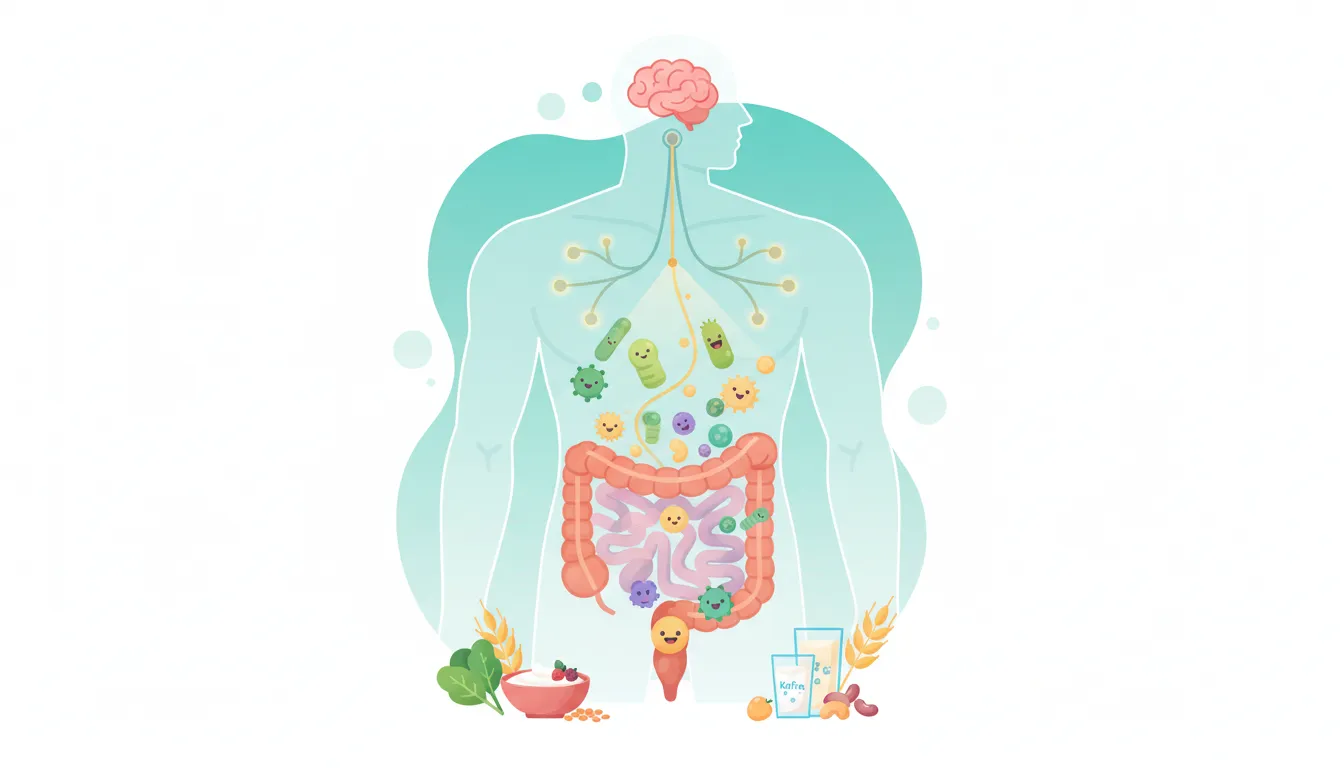
The bacteria living in the small intestine and colon communicate with the brain and influence emotional states. A healthy microbiome supports balanced neurotransmitter production and signals the brain that it can relax. A disrupted microbiome, driven largely by processed foods and high sugar intake, pushes the brain toward chronic stress.
Ways to support the microbiome:
- Reduce ultra‑processed foods and added sugars.
- Eat a variety of fiber‑rich whole foods to feed beneficial bacteria.
- Consider fermented foods or probiotics if appropriate.
- Avoid unnecessary antibiotics and discuss gut health with your clinician.
A practical lifestyle plan to try before medication
For mild to moderate depression, a full trial of lifestyle strategies is strongly encouraged before starting antidepressant medication. The catch is this: partial efforts usually fail. Doing lifestyle changes halfway is often the same as not doing them at all. When completed properly, lifestyle interventions are safe, healthy, and highly effective.
Core checklist:
- Daily walking: 30 minutes with some brisk effort, preferably outdoors.
- Nutrition: Increase essential fats, cut processed foods and sugar, emphasize whole foods.
- Gut health: Support microbiome with fiber, fermented foods, and reduced additives.
- Sleep and stress management: Prioritize regular sleep, relaxation practices, and manageable stress reduction techniques.
- Social and spiritual supports: Connection, purpose, and meaning often play an important role in recovery.
When medication may be appropriate
Many patients can improve substantially with lifestyle changes, but medication still has a role. Severe depression, suicidality, or failure to respond to comprehensive lifestyle measures are reasons to consider pharmacologic treatment. Decisions about antidepressants should be made collaboratively with a clinician.
Final thoughts
Depression is rarely caused by a single issue. Most people have several contributing factors — physical, mental, and spiritual. A comprehensive, fully implemented lifestyle approach that includes purposeful walking, better nutrition, and attention to the microbiome ,as well as other critical aspects of spiritual and emotional health, gives the best chance for recovery without medication for many people.
Commitment matters. When lifestyle strategies are done well and completely, they are often the safest, healthiest, and most effective path to feeling better.
Click Here to Access Your First Trial of StemWave Pain management
Stay connected with news and updates!
Join our mailing list to receive the latest news and updates from our team.
Don't worry, your information will not be shared.
We hate SPAM. We will never sell your information, for any reason.
