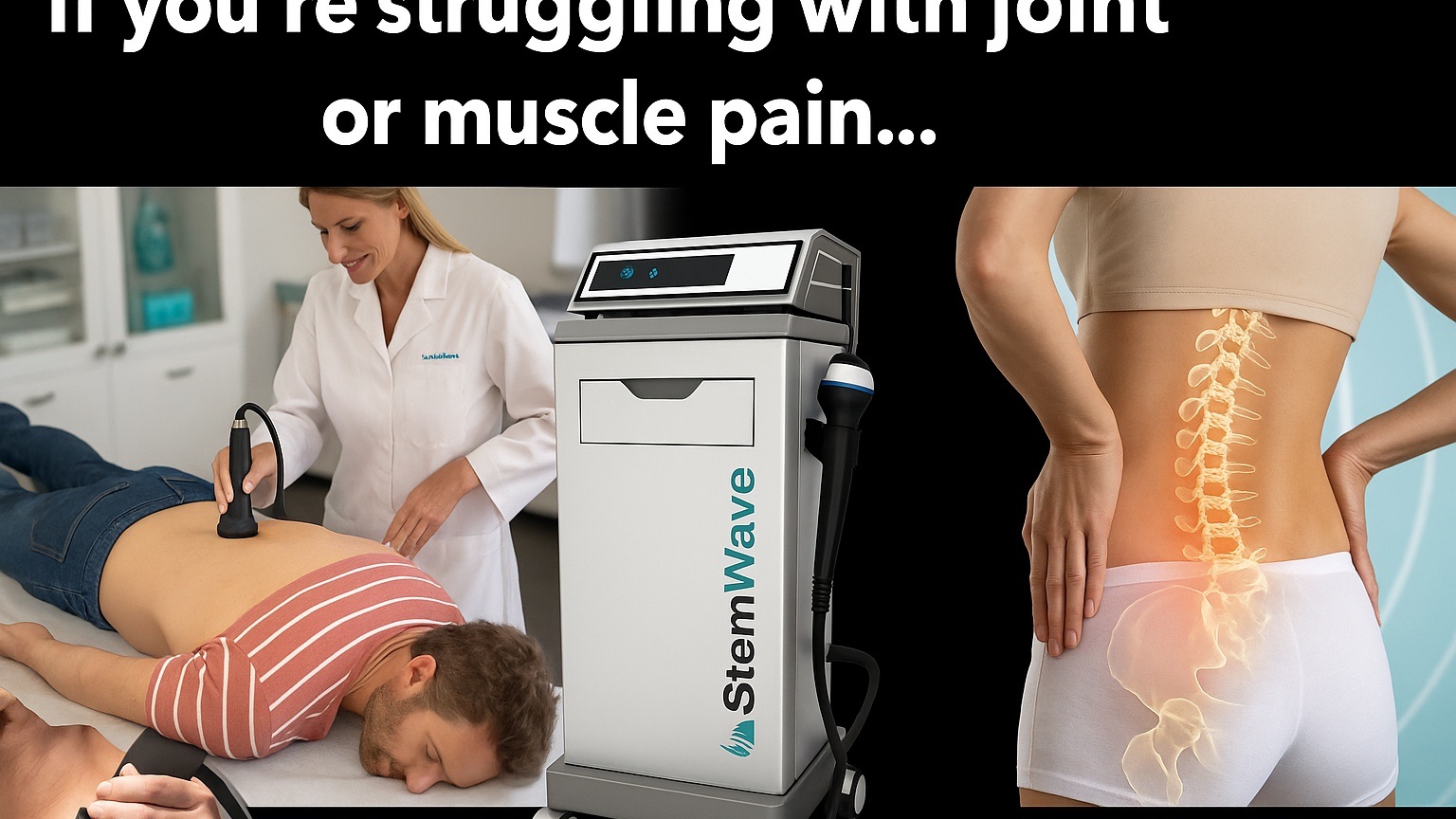
Why Holistic Integrated Pain Management Is the Most Effective Treatment Strategy
Mar 03, 2026Why Holistic Integrated Pain Management Is the Most Effective Treatment Strategy
Overview
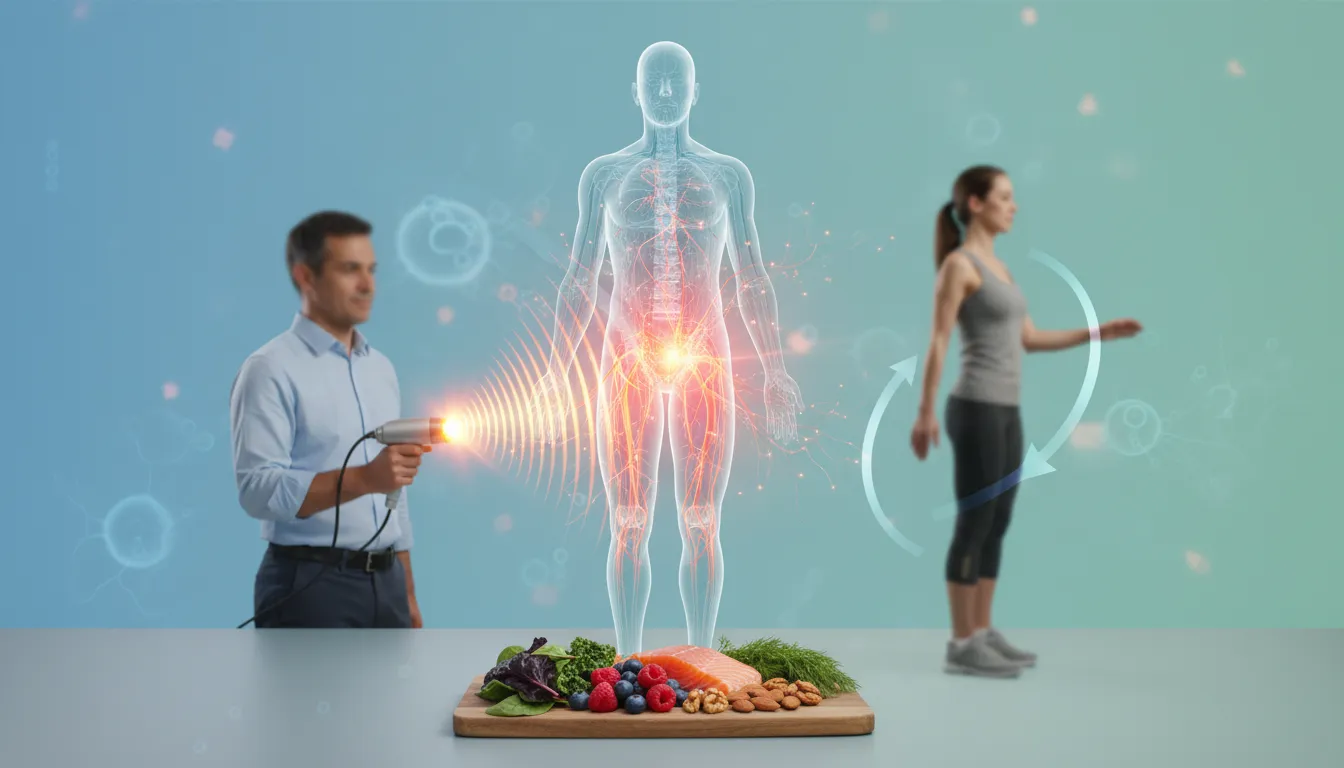
Chronic musculoskeletal pain is rarely solved by a single intervention. A focused, integrated approach that combines targeted therapies, biomechanics, and nutrition produces the most consistent and durable results. The goal is simple: stimulate the body’s natural healing mechanisms, remove barriers to recovery, and protect tissue from repeat injury — all without relying primarily on medications.
What goes wrong in chronic pain
Longstanding degenerative changes in tissue lead to a subtle but important problem: the microvascular blood supply to the damaged area gradually diminishes. That means reduced oxygen delivery, lower levels of critical nutrients (vitamin C being one example), and impaired removal of metabolic waste and toxins. These microvascular changes are often so gradual that people do not notice them, but they are a major driver of ongoing pain and failed healing.
Electrohydraulic shockwave therapy: repairing microvasculature and more
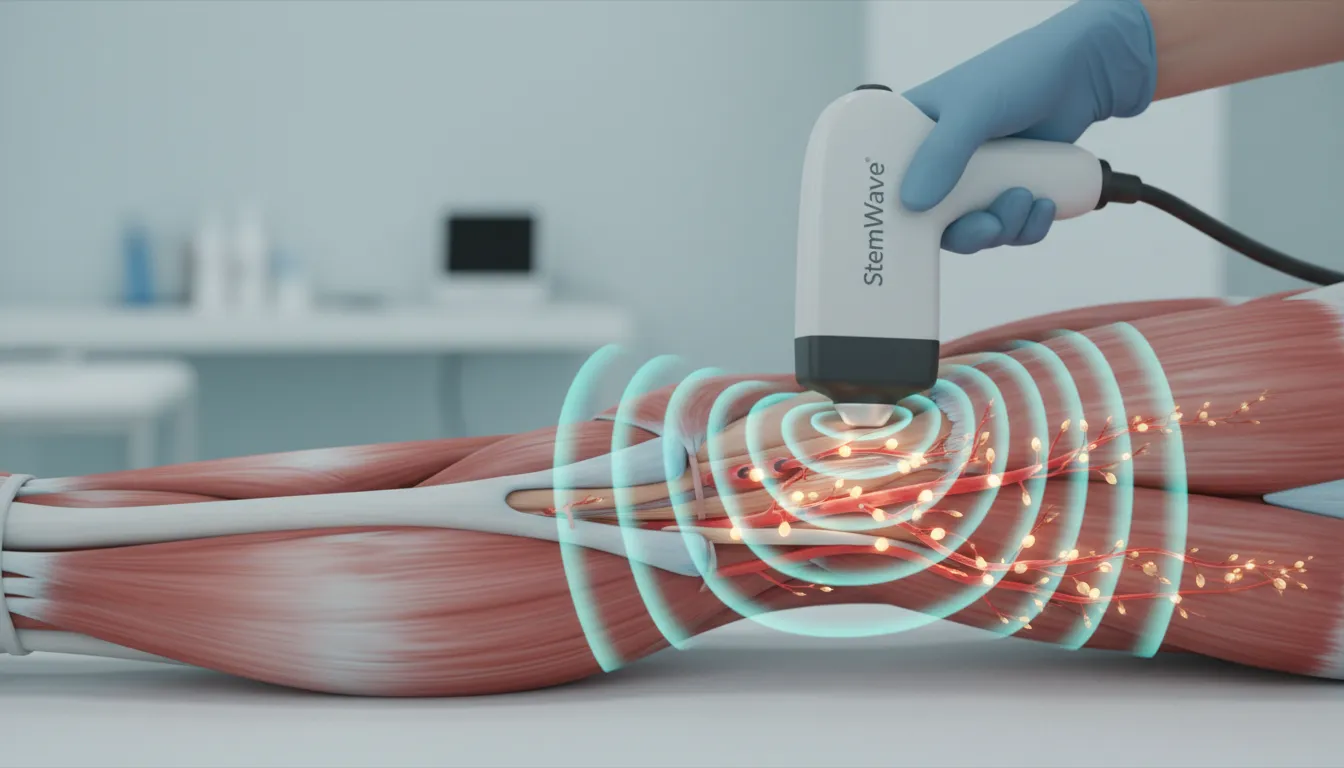
Electrohydraulic shockwave therapy (sometimes called shockwave therapy) targets the very problem above. One of its most consistent effects is rebuilding the small blood vessel network in the treated area. That restored microvascular support improves oxygen and nutrient delivery and accelerates toxin removal — conditions that are essential for true tissue repair.
Beyond improved circulation, shockwave therapy also:
- Promotes migration of stem cells into damaged tissue.
- Reduces pain through multiple neuromodulatory mechanisms.
- Often produces marked clinical improvement in a large percentage of patients; published and clinical series report around 85% significant and sustained improvement with appropriate shockwave protocols.
When applied twice weekly, meaningful microvascular rebuilding can be seen within about four weeks, opening a window where the tissue is much more receptive to healing.
Why shockwave alone is not enough
Repairing blood supply and recruiting stem cells are powerful, but they do not address two other major contributors to persistent pain: ongoing biomechanical stress and a pro-inflammatory internal environment driven by diet and metabolism. If the mechanical forces that caused or perpetuated the injury continue unabated, repaired tissue is at high risk of re-injury. Likewise, systemic inflammation limits healing and encourages pain sensitization.

Complementary strategy 1: Correct biomechanical patterns with Chi walking
Chi walking is a gait and posture technique that retrains movement patterns to reduce unnecessary strain on joints, tendons, and soft tissue. Many people carry decades of imbalanced, deconditioned movement habits that place repetitive stress on specific tissues. Reworking the way you walk and move accomplishes two things:
- It reduces the mechanical forces that initially injured the tissue, allowing the healing begun by shockwave therapy to proceed without interruption.
- It improves overall function and reduces the likelihood of recurrent injury.
Instruction from a qualified practitioner who can analyze gait and posture is the most efficient way to get these biomechanical changes to stick although some of the core elements of Chi Walking can be learned from a book or video.
Complementary strategy 2: Address nutrition and systemic inflammation
Diet plays a central role in whether tissue can heal and whether pain persists. Typical modern diets — high in refined carbohydrates, processed foods, chemical additives, and high-glycemic meals — drive insulin resistance and systemic inflammation. Chemical additives also negatively affect the microbiome, which in turn dysregulates immune balance and inflammation.
Key nutritional actions that support healing:
- Reduce high-glycemic and processed foods to lower insulin resistance and inflammation.
- Shift toward whole foods including vegetables, lean proteins, healthy fats, and low-glycemic carbohydrates.
- Support micronutrients critical to tissue repair (vitamin C, zinc, and others) through diet and targeted supplementation when appropriate.
- Protect the microbiome by avoiding unnecessary chemicals and including prebiotic and probiotic-rich foods.
These changes decrease background inflammation, enhance immune balance, and make local tissue repair more effective and durable.
How the three components work together
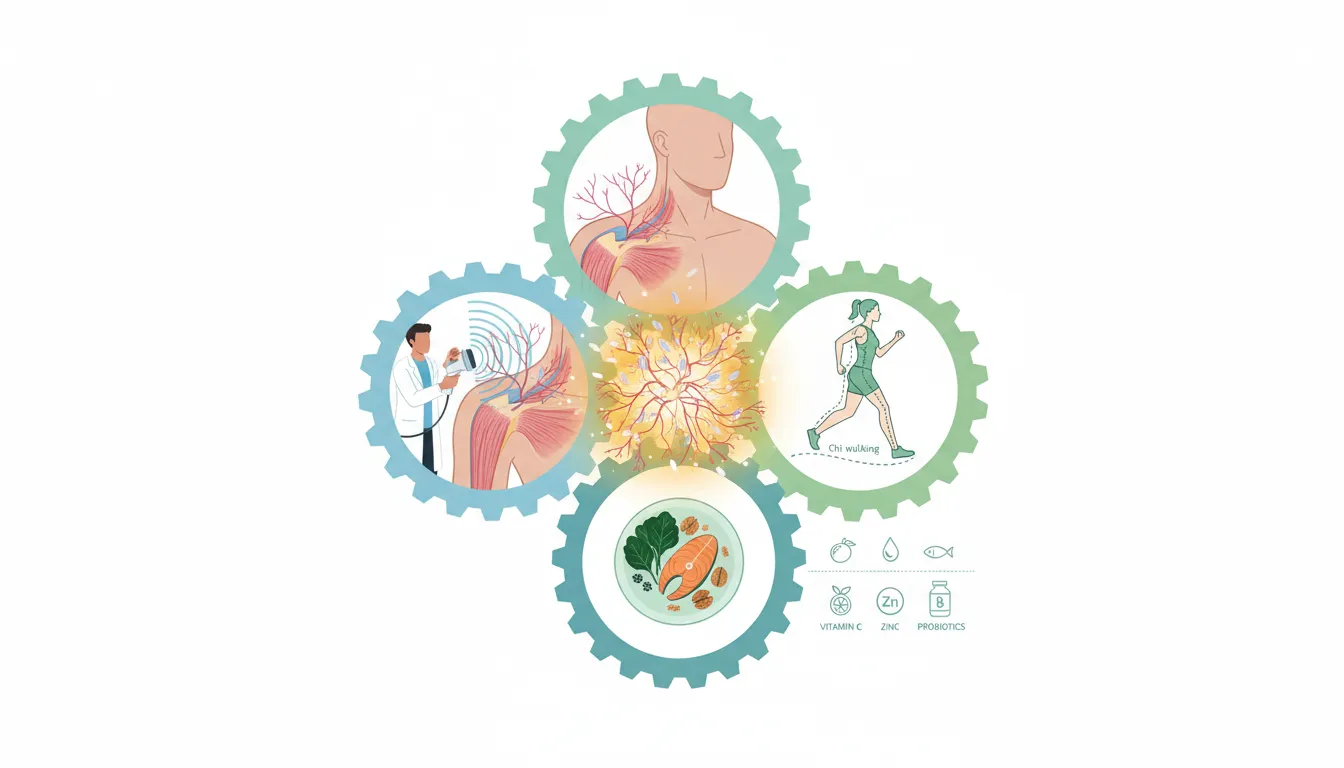
The combination of shockwave therapy, biomechanical retraining, and nutritional optimization creates a multiplier effect:
- Shockwave therapy rapidly restores microvascular support and recruits regenerative cells.
- Chi walking reduces the mechanical load that originally damaged the tissue, so repaired tissue is not repeatedly stressed.
- Improved nutrition lowers systemic inflammation and supplies the building blocks needed for repair.
Addressing all three areas not only improves the likelihood of meaningful recovery but also increases the durability of that recovery over months and years. While many studies and clinical reports show substantial improvement with shockwave alone, combining it with biomechanics and nutrition reduces the risk of recurrence and may extend the length of benefit beyond what shockwave achieves by itself.
Putting it into practice: a practical program
Here is a practical, conservative program that follows the integrated approach:
- Shockwave therapy: Consider a twice-weekly treatment schedule for several weeks (protocols vary by condition). Early microvascular improvements are often seen within four weeks.
- Biomechanical retraining: Enroll in gait and movement coaching (for example, Chi walking instruction) concurrently with shockwave treatments to immediately reduce harmful forces. Mercy Family Health and Pain Management automatically offers this training, and most patients gladly accept.
- Nutritional optimization: Move toward an anti-inflammatory, low-glycemic, whole-food diet. Address micronutrient deficiencies and support the microbiome. This is also a core instruction at Mercy Family Health and Pain Management.
- Maintenance: Continue movement habits and nutritional patterns that protect tissue and maintain metabolic health. Periodic reassessment reduces the chance of relapse.
Evidence and realistic expectations
Shockwave therapy has solid clinical support and often produces significant improvement — commonly cited figures around 85% in appropriate settings. Durability varies: many patients maintain gains for a year or longer. Integrating biomechanical and nutritional interventions increases the odds of sustained recovery and lowers the risk of repeat injuries.
Recovery timelines differ by condition, severity, and patient factors. The safest approach is a coordinated plan tailored to the individual's needs, with clear milestones and follow-up.
Final thoughts
Non-pharmacologic pain management is most effective when it is holistic and integrated. Restoring microvascular health with shockwave therapy, retraining movement patterns to eliminate damaging forces, and fixing the inflammatory milieu through nutrition create the conditions the body needs to heal. This approach treats the problem at multiple levels and offers the best chance for meaningful, lasting relief.
If you are exploring options for chronic musculoskeletal pain, prioritize a plan that combines targeted regenerative therapies, biomechanical correction, and dietary improvements. Work with qualified clinicians for each component to ensure safety and the best possible outcome.
Stanley Lang, M.D., Mercy Family Health and Pain Management
Click Here to Access Your First Trial of StemWave Pain management
Stay connected with news and updates!
Join our mailing list to receive the latest news and updates from our team.
Don't worry, your information will not be shared.
We hate SPAM. We will never sell your information, for any reason.
